

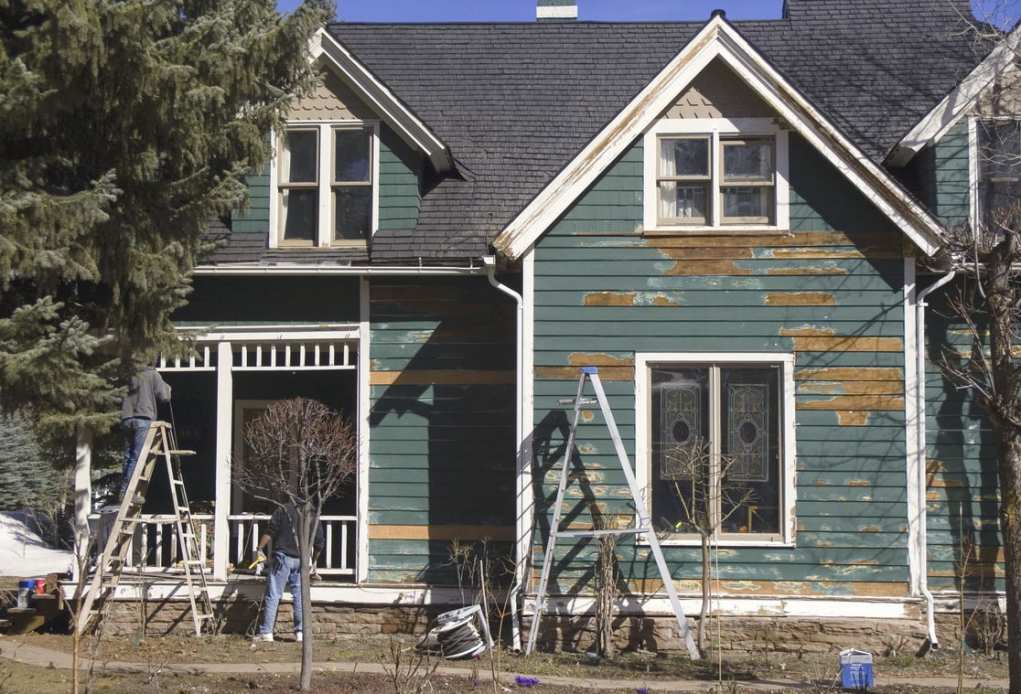
There’s great pleasure in living in a rich piece of heritage. Indeed, many houses in America are of extraordinary historical value. But what could be heaven for the history buff could be hell for the homeowner! Not to worry, though! It’ll only be hell if you make the wrong decisions. Admiring a good piece of architectural history is one thing and living in it is another. We’ll teach you all there is to learn about inspecting and determining the old house that’s right for you.
Factors Affecting the House’s Condition
There are four things that determine the overall quality of the property you’re going to get. Just because the house might look stylish and historically authentic doesn’t mean it’s a property that’s worth your money. Here are a couple of things you need to consider:
- Authenticity: There’s more to authenticity than meets the eye. If a real estate listing claims that a property is a hundred years old, it doesn’t mean that every single square inch of the structure is a hundred years old. Take note that preservation is difficult and requires professional assistance. What some homeowners do is tear down the entire structure and build a completely different house while keeping the old foundations. This may be good for the physical appearance of the property, but the structure itself is no longer an authentic antique.
- Weather & Location: Weather and climatic factors can really break a structure if it is at the mercy of the elements. In addition, a house’s aging process is usually accelerated in places with high humidity, such as Florida. It’s also important to take into consideration the role that wind and erosion play in wearing the house down. Places with seismic activity also create an “unhealthy” environment for old structures, which is why it is important to pay special attention to these different considerations.
- Construction & Architectural Considerations: In the housing market, you’ve got several types of structures you’ve got to look into. First, the prefabricated and mobile homes tend to have a lower standard of construction. However, traditional Colonials, Tudors, and Craftsmans have a pretty solid track record in terms of durability. Two things you’ll want to pay close attention to are: how good the contractor that built the house is, and the quality of the materials they used. If those two things are poor, the structure could fall like a house of cards.
Here’s What to Check Out Before Buying
It’s important not to fall into the trap of buying a house that has hidden damage or could pose a serious threat to you or your loved ones. Therefore, stay alert and take the following into consideration before finalizing the purchase:
- Pest Control & Damage: Termites should be your top concern. Be sure to inspect the property thoroughly for termite damage. Repairs could end up being costly with some repair projects exceeding $10,000. There are other pests that you need to be aware of, such as rats, roaches, and other potential health hazards.
- Dangerous Substances: Old buildings tend to have one (or more) of three dangerous substances. Lead, asbestos, and radon should be your top concerns. This is especially the case with pre-war structures. If there is any evidence that one of these three substances is present, removal is compulsory. You’re not even allowed to do home improvement projects in some cases without properly discarding hazardous substances.
- Ask About the Age of the Plumbing System: It’s important that you know about this before you buy the property. The best pipe systems are brass/copper systems, but you’ll also find the PEX plastic and polybutylene systems are common in old houses. Polybutylene pipes are extremely fragile. They tend to corrode when you pour chemicals containing chlorine down the drain. Be careful!