

Time to take a bill pill! It may be a tough one to swallow, but if you do it right, you’ll get through this process easily. Though you may not take any pleasure in paying your bills, you’ll have to do it if you want any type of long-term financial prosperity. When bills pile up, they can easily affect your financial standing, which makes it very difficult for you to do things like finding a good rental apartment. Landlords are not too keen on having tenants who can’t keep up with their bills. You also want to avoid all the terrible late fees and penalties. Being organized is the remedy for this type of situation. We’re going to teach you what steps to take to ensure that your approach towards paying the bills is organized and efficient.
Staying Focused: It’s All About Location
Choose a space where you’re able to escape all the chaos that goes on at home, especially if you have noisy kids. Staying focused is important for making sure you don’t make any mistakes while examining or paying one of your bills. You can choose any place you want, whether it’s the bedroom, home office, or the kitchen table. Have your little bill corner!
When Bills Arrive in the Mail
Paper bills are still a reality that everyone has to live through. You need to be organized when dealing with them because if they get lost or thrown away it’s a big problem. As soon as a paper bill arrives in the mail, open it to inspect all the details. Most importantly, write the due date and total amount due that you see on the bill. You can write it directly on the envelope.
As you’re looking at the bill, you also need to pay attention to important details. Some companies do make mistakes in their bills, so it’s important to identify anything that doesn’t make sense. Highlight anything you have concerns about and put it in a separate file for unpaid paper bills. You can follow up with the company later on.
Handling Electronic Bill & Statements
You’ve got to maintain the same level of organization with electronic bills. Have a separate email address for all money-related issues, including bank statements, tax records, investments, and bills.
Check your email every day to make sure you don’t overlook any small bills. When opening an online bill, inspect it carefully and make note of anything that does not make sense You may want to jot it down so you can ask about it later. Make a folder on your computer to store all financial documents and create an easy-to-follow system. You don’t need to be struggling to find things when you are being bombarded with more bills.
Take note that it’s also important to be meticulous about keeping your finances organized. If you need to negotiate a payment plan with the IRS or if you have to apply for benefits, all the evidence you need will be easily accessible as long as you’re organized.
Mark Your Calendar
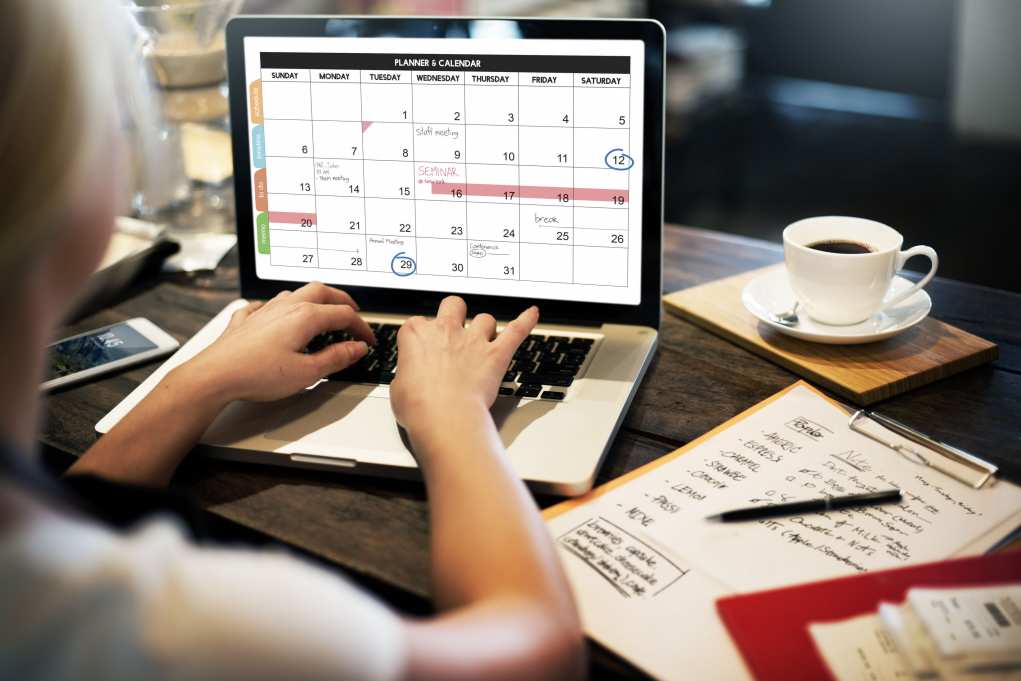
You must commit 30 minutes every week to looking through your bills and paying them. Make sure that you have it written on your calendar or weekly schedule. Spend time at your bill-paying station looking through each bill one by one. If the bill adds up correctly, pay it and don’t waste time. Make note of the day and amount you paid for a specific bill. As for the bills that are highlighted (discussed previously), pick up the phone and call all those companies up to seek clarification about discrepancies in the bill.