

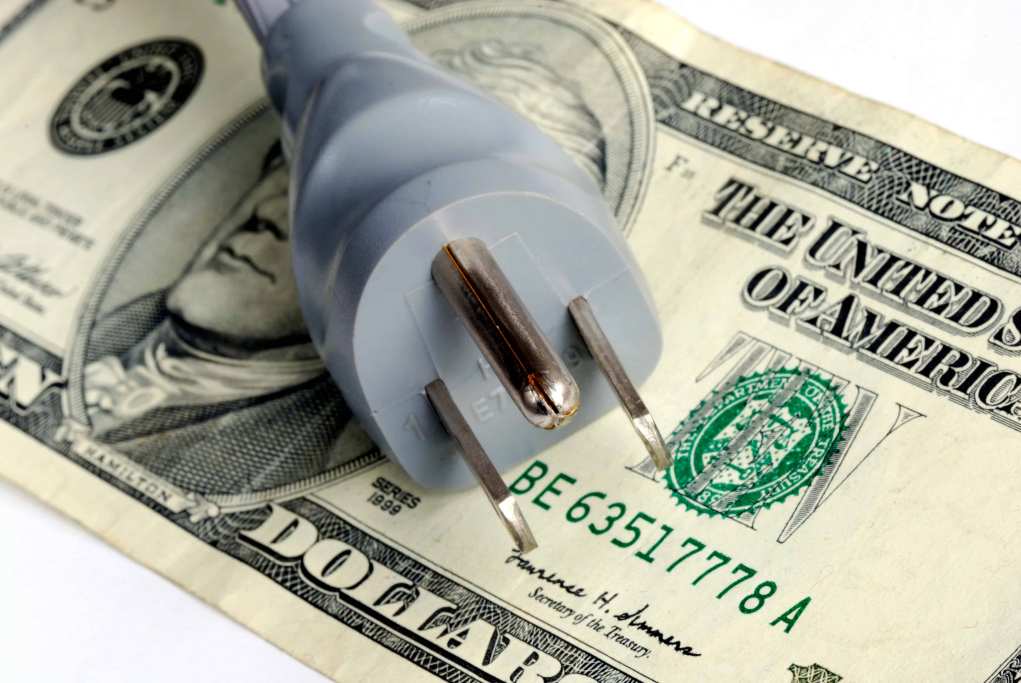
There are more ways than one to reduce your home energy levels and increase your energy savings. You could waste less energy through simple changes in your households behavior or even make widespread home improvements. There are two main reasons for energy conservation in your home, which are to save money on utility bills and conserving the environment. This article will let you know about the different habits that you can work on at home to save money on your home energy. Additionally, you can always look towards the Low Income Home Energy Assistance Program to get financial relief on your home energy performance and bills.
What Can You Do To Save Money on Your Energy Bills?
Typically, energy saving means using lower energy levels to decrease your energy costs and conserving the environment. You could reduce your use of electricity or any energy source that eats up your bills. Additionally, you could replace your light bulbs or your air filters to be able to conserve your home’s energy performance. It is up to you to adjust your daily behavior towards your energy sources and actively work on lowering your energy consumption. It is not as hard as it sounds; don’t worry!
1. Adjust Your Daily Habits At Home
You don’t have to rush out to purchase energy-efficient goods to diminish your home’s energy consumption and grow your supply of energy. Saving energy can be just as simple as switching off lights or electrical devices when you do not require them. You can likewise utilize less energy-efficient equipment and consider doing chores alone. This could include hanging up your clothes to dry rather than using dryers or washing dishes rather than a dishwasher.
2. Think About Replacing Your Light Bulbs
Conventional light bulbs consume ridiculous amounts of electricity and should be substituted more frequently than their energy-effective counterparts. Halogen bulbs, compact fluorescent lights (CFLs) and light emitting diodes (LEDs) consume 25-80 percent less electricity. Furthermore, halogen bulbs last 3 to 25 times more than conventional light bulbs. It may be about time for you to change your lights.
3. Consider Using Smart Power Strips
“Phantom loads” or electricity utilized for gadgets when turned off or in backup mode are a significant source of wasting energy. As a matter of fact, an approximate of 75% of the energy used to control home appliances is consumed when it is switched off. This could cost you up to $200 each year. Smart power strips, or advanced power strips, get rid of the phantom load issue through switching off power of the electronic devices when they are not utilized. The smart power strips can be set to turn off at a set time, during its inactivity, utilizing a remote switch or in view of the status with the “master” device.
4. Make Sure To Install A Programmable Thermostat
A programmable indoor thermostat can be set to automatically turn off or restrict warming and cooling while you are sleeping or away from the house. In the event that you install a programmable indoor thermostat, you can wipe out energy utilization for warming and cooling. Best of all, you don’t need to update the HVAC system.
5. Look Towards Buying And Utilizing Energy-Efficient Appliances
Appliances ordinarily represent about 13% of total family energy consumption in the United States. While purchasing appliances, you really want to think about two things. Those amounts are the primary price and the yearly operating expenses. Despite the fact that energy-effective appliances might have a higher price tag, their operating expenses are typically 9-25% less than traditional models.
6. Do Your Best in Reducing Water Heating Costs
Water heating is a significant source to your general energy consumption. Additionally, purchasing an energy productive boiler can lessen water heating expenses, among other things. You can utilize less high temp water or lower the indoor thermostat on your heater. Moreover, you can insulate the boiler and the first six feet of hot and cold water pipes.
7. Consider Installing Energy-Efficient Windows
Windows are a significant form of energy waste. They can put 10-25% on your entire heating bills. To avoid heat loss from your windows, you can substitute single sheets with double-glazed coated glass panes.
For homes in colder regions, gas-filled windows with a “low-e” coating can primarily decrease your warming expenses. Additionally, inside or outside storm windows can decrease excessive heat loss up to 10 to 20 percent. You ought to particularly think about storm windows, assuming that there are probably going to be serious weather conditions in your area.
8. Think About Upgrading Your HVAC System
The HVAC system comprises heating, ventilation and air conditioning systems. The actual heating is in charge of over 40% of the energy consumption of a household. As families in northern regions are presented to lower temperatures all across the year, there are gas heaters that come in specifications for the northern and southern regions of the United States.
9. Look At Weatherizing Your Home
Weathering or sealing the air leaks around your home is a great way to reduce heating and cooling costs. The most common forms of air that are extracted out of your home are through vents, windows and doors. To avoid these leaks, make sure that there are no cracks or openings between the wall and the opening, window or door.
Weathering or sealing air leaks around your house is an extraordinary method for lessening heating and cooling expenses. The most well-known forms of air emerging from your house are vents, windows and doors. To avoid these spills, you should ensure that there are no cracks or openings between the wall and the opening, window or door.
10. Make Sure to Insulate Your Home
Insulation assumes a significant part in decreasing energy utilization through heat retention during colder times of the year and keeping your home warm in the late spring. The suggested degree of heat resistance on or “R-value” of your insulation relies upon where you live. In hotter environments, the suggested R-value is lesser than for infrastructures in colder regions. This implies that you want to stay in the right heat resistance range, particularly in the peak of the winter and the late spring.
Federal Programs Can Provide Energy Relief Too!
Following these tips can significantly provide assistance to your energy performance. But, you might need more help than that. If you do need more financial relief on your energy bills, then you should look towards federal programs. These programs will definitely help you out! If you are struggling from low-energy performances in your home, then you should think about applying for the Low Income Home Energy Assistance Program (LIHEAP).
Low Income Home Energy Assistance Program (LIHEAP) Is Your Best Option
The Low Income Home Energy Assistance Program (LIHEAP) provides assistance to households, in order to keep them in a safe and healthy environment. This assistance option helps households that suffer from high energy expenses through different initiatives. Through the LIHEAP, this assistance option offers assistance that the Federal Government funds. The program helps households manage expenses that are related to utility bills, energy crises, and weatherization. You can even rely on the LIHEAP for financial relief on minor house repairs.
The LIHEAP can provide assistance in staying warm in cold weather and remain cool during hot weather. You should know that the LIHEAP is a federal assistance option that focuses on helping low-income households. But, you will need to meet the eligibility requirements that come with the Program, in order to qualify. One of the main aims of the LIHEAP is to reduce the risk that comes with risky cooling and heating systems.
As mentioned above, the Federal Government is responsible for funding the LIHEAP. But, the state that you reside in defines the budget and the coverage of the LIHEAP. Typically, you can get assistance from this program on utility bills assistance, minor home repairs, emergency support, and cooling and heating energy expenses. Additionally, this program provides relief options that improve your housing situation and your finances, if you are eligible. The main goal is to decrease the constant energy expenses in every American family.
Final Verdict
In conclusion, there are many ways that you can reduce your energy consumption and your energy bills. You can help the environment and help yourself at the same time. As a homeowner, you can replace your light bulbs or insulate your home. Additionally, you can apply for assistance from the Low Income Home Energy Assistance Program (LIHEAP).