

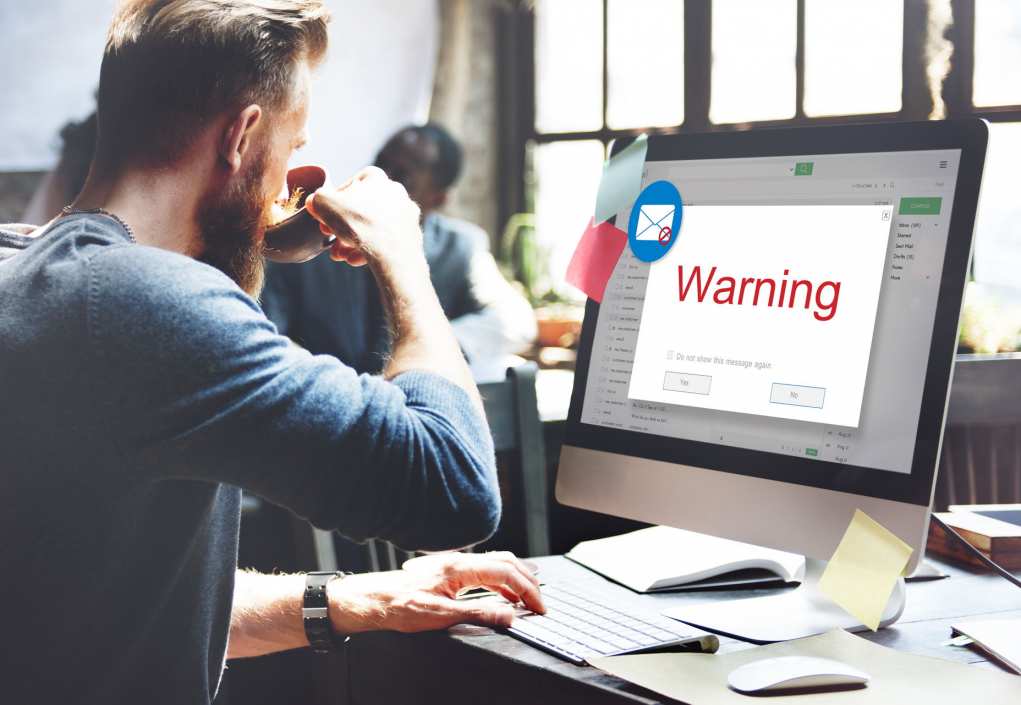
When people get desperate, they can do all types of crazy things. Internet scamming is just one of them and there’s no doubt that it pays off. All of this makes the internet a hard place to do honest business and to handle different things in your daily life. Though security software is more advanced, there are still other ways to work around it. Therefore, your top priority as a frequent internet user is learning how to defend yourself against internet scams. Although it may sound simple to you, there are a lot more tricks to this than you think. So listen carefully because what we’re about to tell could save your finances and maybe even your identity.
Try These Moves
You’ve got to develop the same instincts that any animal in the jungle might have when avoiding predators. What you get in your Inbox can’t harm you at all! It’s what you choose to open or click on that can lead you down a path that you don’t want to go on. Here are some examples of internet scams that you’ll find out there:
- They Want to Know Too Much About You: If there’s anything that scammers like the most, it’s accessing your personal information. They can do this by acquiring your usernames, passwords, or sensitive financial information. They might even be after personal pictures to blackmail you. Whenever you receive an email from an unknown party, exercise extreme caution. Investigate the identity of the sender before opening it. If you’re in doubt, it’s best not to open it at all.
- Don’t Get Enticed by Fake Rewards: Anybody who’s in a bind and needs cash might find a cash prize on their email very attractive. However, you’ll regret ever opening that email when you have found out that some unknown cybercriminal has taken your personal information. Don’t open any emails from unknown senders who claim that you won something. It’s a common email scam and it’s the oldest trick in the book.
- Don’t Let Compassion Cloud Your Judgement: Compassion is a powerful emotional force, especially in times of a national disaster. However, you’ll find that too often scammers take advantage of that to set up fake donation initiatives. Be sure to investigate who you are donating to and if the organization is officially registered as a non-profit organization.
Thought You Won the Lotto?
It’s a shame to see that many cybercriminals will use the promise of money to lure more victims into a terrible trap. Unfortunately, fake lottery alerts are really effective in doing this. Here are a couple of ways you can protect yourself:
- Closely examine the email address of the sender. If it comes from an individual who is not from any organization, such as [email protected], then it’s a scam. Nonetheless, if you do receive an email from an organization, investigate the identity of the sender.
- Usually, credible lottery organizations will email you individually and by name. However, if you find that your email is not even mentioned in the “To” section, then it’s a common phishing scam. It’s targeting thousands of others just like you. Don’t open it. Delete it.
Social Media Predators
Facebook is a great place for cyber predators to come up with all types of internet scams. Sometimes hackers can use the profile of one of your friends to send you a message. When you receive the message, what they’ll want you to do is click on the links, so that they can get access to the account. But this isn’t the only scheme that you’ll find on social media. Sometimes the hacker could pose as someone who needs financial assistance and is stuck abroad. The best thing to do is find another way to contact your friend without using social media to verify that it’s actually your friend making the request. Don’t put yourself in a position where hackers can win over your money.
‘Got Caught in the Shower’ Messages
One could say that public image is everyone’s Achilles’ heel, and it becomes very difficult to defend it on the internet. Getting stressed out about an embarrassing image of you spreading across the internet is definitely a legitimate concern. It’s also a vulnerability that many cybercriminals like to take advantage of. One day while you’re on social media or checking your email, you might get a message that “You got caught in the shower”. The message will usually have a link that will lead you to the picture. But this link is only so that hackers can get access to your personal information. When you receive a message like this, just throw it in the trash because it is another one of the common internet scams!
When Criminals Manipulate Compassion
Compassion can be a strong emotional force, especially when you are able to mobilize people to work for a good cause. And yet, cybercriminals can’t keep their claws away from using compassion to steal people’s hard-earned money. One day one Facebook you might come across a Facebook campaign message with a link saying “Little Charlie has a brain tumor but doesn’t have enough to afford treatment”. Give Little Charlie a helping and click to donate $10.” Of course, Little Charlie never existed in the first place and that money that you contributed just fell into the hands of a digital scumbag. Be sure to verify any donation campaign on the internet before making a contribution.
Tweet with Caution
Twitter is one of the best ways to engage with an audience. But it is an open platform that many cybercriminals use to create fake profiles for people that they are trying to defame. Sometimes when you flip through your list of followers, you may find one or two who might look suspicious. Those accounts might have links to harmful spyware or malware. So be careful!
PayPal & Survey Scams
PayPal scams can be extremely annoying. Basically, what scammers will do is send you an email saying that there’s something wrong with your PayPal. It’ll tell you to immediately log in to have the issue resolved. The email will contain a link to a fake website that resembles the PayPal website. Yet, it’s just another trick that they use to get your PayPal username and password. To avoid this, make sure the sender has a @paypal.com email address.
You’ll also find the survey scams are also pretty common email scams. Be diligent in investigating that the sender comes from a credible organization before completing any survey.